What the Deckers/Quince Patent Lawsuit Failed to Resolve — and What Brands Can Do to Fight Back

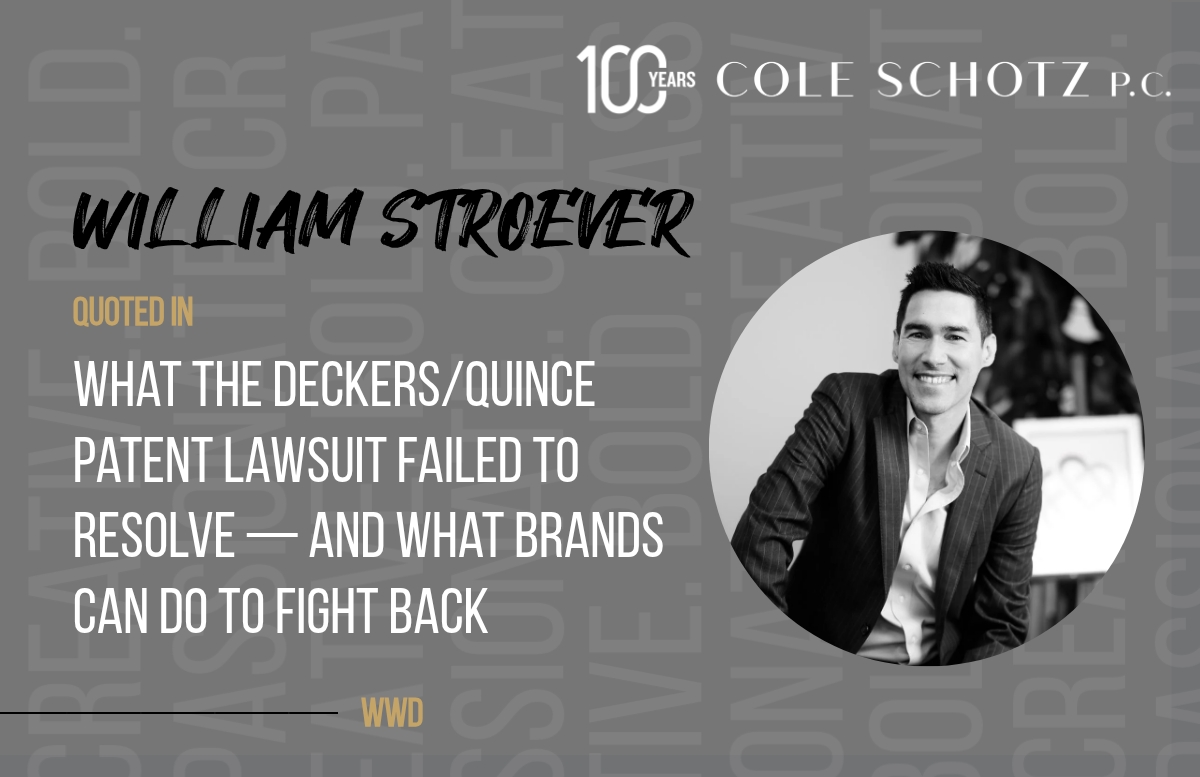
For fashion brands dealing with “dupes culture,” Willie Stroever, the co-chair of the intellectual property department at Cole Schotz, has some advice.
“The lawsuit highlights the need for fashion brands to be very clear about what is distinctive about their products,” Stroever said. He explained that the jury verdict indicates that a product might have extensive sales and renown but still not have acquired that distinctiveness — either through concept or extended use, advertising, sales, and other metrics — that qualifies for both trade dress and trademark protection. Moreover, the Deckers/Quince case “tells us that even a design patent may not be enough to prevent close competitors,” he said of the outcome.
“Fashion brands looking to create protectable rights in their product designs need to be aggressive not just in their enforcement, but also in creating the connection between the consumer and that specific design element,” Stroever said. “Sales and general advertising are helpful, but specific advertising and highlighting of the elements of the brand they want to make distinctive is critical.” He said in advertising, this often called “look for.” That phrase refers to a strategy in marketing where consumers are trained to recognize or identify a unique element that indicates or proves a brand’s identity. That element can be specific packaging, a design code or even color pattern.
Stroever expects that Deckers will likely appeal the decision. “There is winning in court and winning in the marketplace. Typically, one of the tools fashion brands have in their arsenal is deeper pockets and an ability to see litigation through to the end without caving,” he said, adding that Deckers may continue to challenge Quince in other jurisdictions and on other issues. That would be similar to Adidas’ positioning against some of their closer competitors, he noted, adding that “Quince may have won the battle, but Deckers may be planning a longer war.”
Click here to read the full article.
As the law continues to evolve on these matters, please note that this article is current as of date and time of publication and may not reflect subsequent developments. The content and interpretation of the issues addressed herein is subject to change. Cole Schotz P.C. disclaims any and all liability with respect to actions taken or not taken based on any or all of the contents of this publication to the fullest extent permitted by law. This is for general informational purposes and does not constitute legal advice or create an attorney-client relationship. Do not act or refrain from acting upon the information contained in this publication without obtaining legal, financial and tax advice. For further information, please do not hesitate to reach out to your firm contact or to any of the attorneys listed in this publication. No aspect of this advertisement has been approved by the highest court in any state.

Related Articles

Join Our Mailing List
Stay up to date with the latest insights, events, and more