The 2026 World Cup has arrived. Here are 3 things HR should do to prepare.

The eyes of the globe are glued to North America for the 2026 World Cup. Though the U.S., Canada and Mexico will share host duties for the soccer tournament, the bulk of the event will take place in U.S. cities from coast to coast.
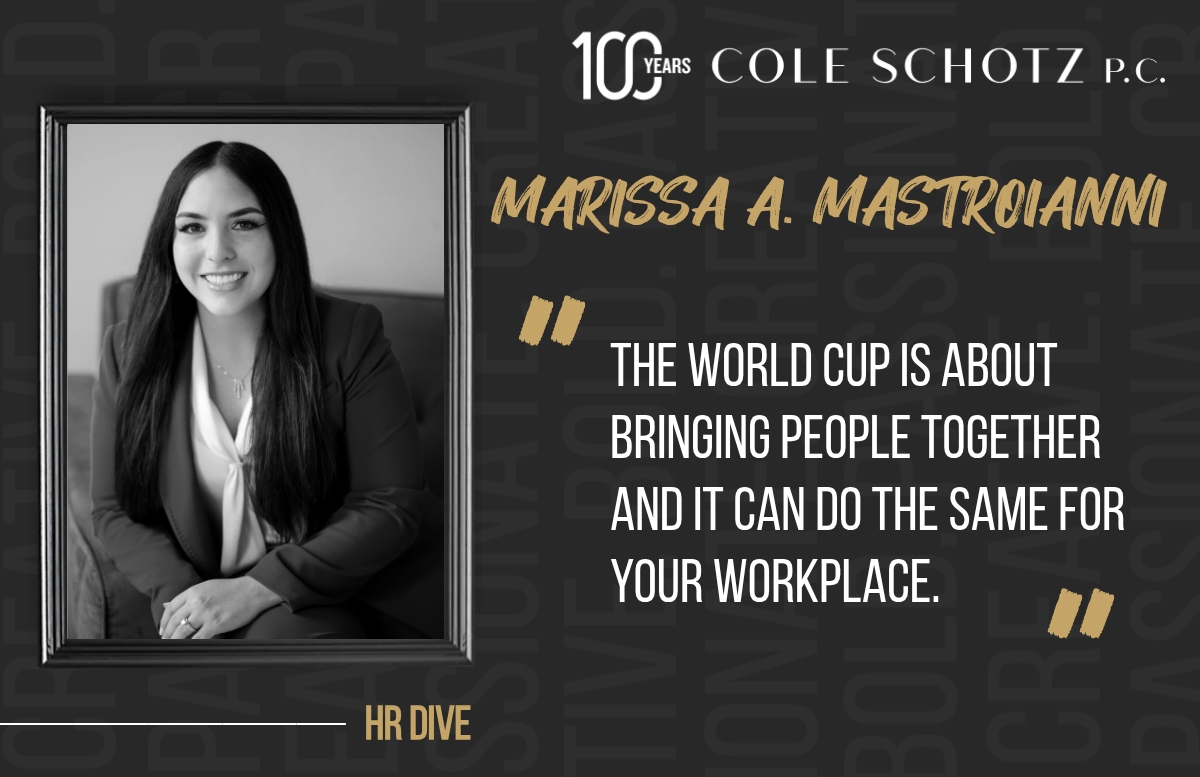
Matches begin in Mexico on Thursday and culminate with the final on July 19 in East Rutherford, New Jersey. The event could affect workplaces for the next several weeks, and employers may need to revisit policies on subjects ranging from remote work to compensation, according to Marissa Mastroianni, an employer-side attorney and member at Cole Schotz.
1. If your city is hosting a match, expect commute delays
Perhaps the most obvious concern is the sheer influx of fans. Last year, advisory firm Tourism Economics projected that more than 1 million international visitors would travel to the U.S. throughout the month of June and early July. While initial analyses suggest that fewer fans may show up than anticipated, employers in host cities can nonetheless expect additional congestion on roads and public transit networks, Mastroianni said.
Eleven U.S. metropolitan areas will host at least one World Cup match. Mastroianni, who is based in New Jersey just miles away from the final match venue, said she is already seeing local employers choose to allow employees to work remotely on match days so as to avoid extended commute times.
The federal government is doing the same. On June 2, the U.S. Office of Personnel Management issued a memo stating the federal agencies with offices in host cities may approve telework and other work flexibility. OPM also suggested that agencies allow affected employees additional time for travel throughout the tournament.
Employers may view OPM’s memo as a starting point in formulating their own policies, Mastroianni said. However, because the document is not highly detailed, she recommended that communications to employees be drafted with specific references to applicable paid time off and leave policies as well as detailed guidance on when employees may work remotely and performance expectations for those who do so.
“This memo sends a clear message that the federal government expects significant travel impacts in the host cities,” Mastroianni said. “If an employer was unsure how much traffic a game may cause, this confirms that the employer should expect high levels of disruption.”
Click here to read the full article.
As the law continues to evolve on these matters, please note that this article is current as of date and time of publication and may not reflect subsequent developments. The content and interpretation of the issues addressed herein is subject to change. Cole Schotz P.C. disclaims any and all liability with respect to actions taken or not taken based on any or all of the contents of this publication to the fullest extent permitted by law. This is for general informational purposes and does not constitute legal advice or create an attorney-client relationship. Do not act or refrain from acting upon the information contained in this publication without obtaining legal, financial and tax advice. For further information, please do not hesitate to reach out to your firm contact or to any of the attorneys listed in this publication. No aspect of this advertisement has been approved by the highest court in any state.

Related Articles

Join Our Mailing List
Stay up to date with the latest insights, events, and more