Kawhi Leonard Saga Enters Uncharted Territory With Federal Probe

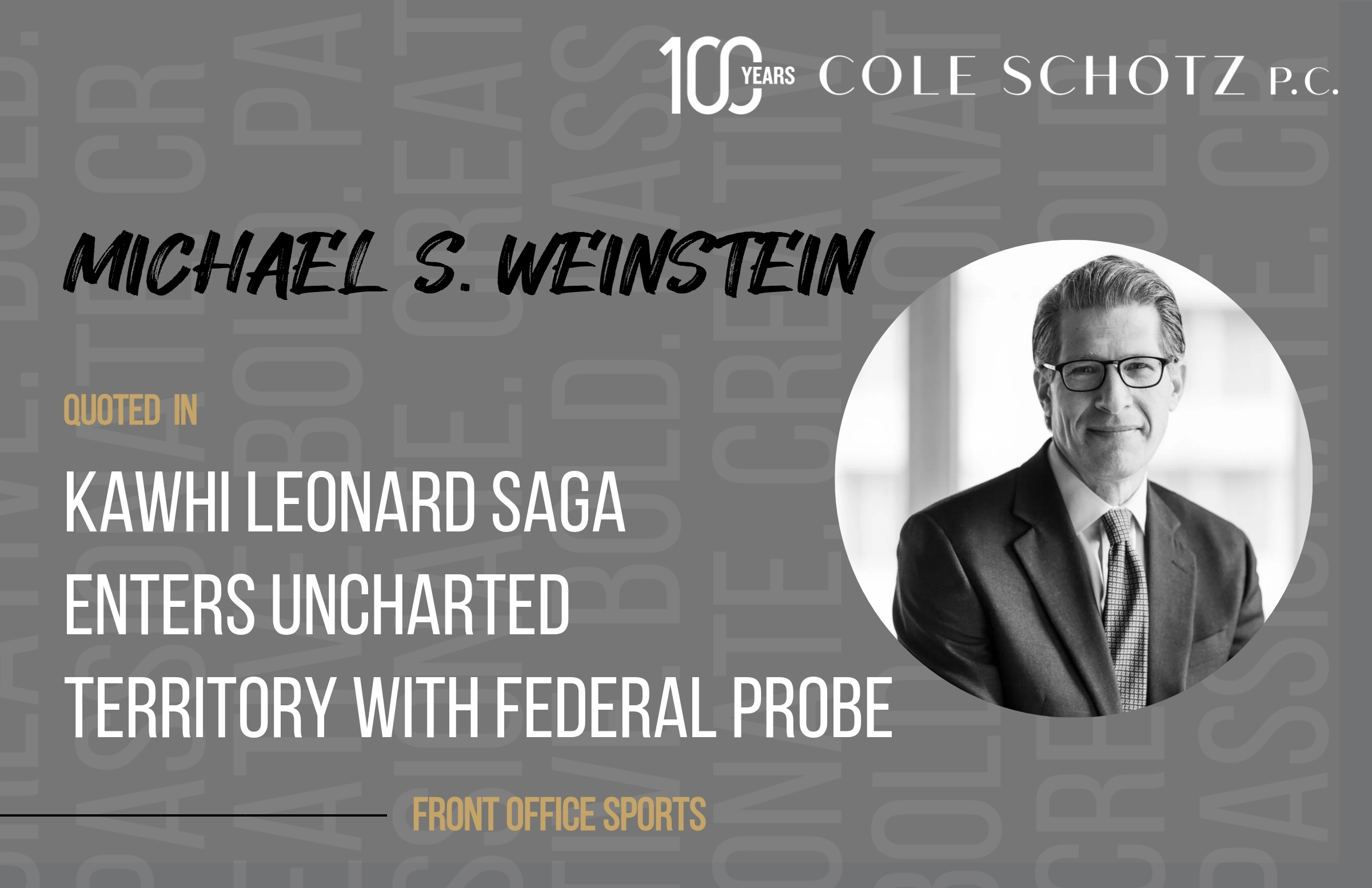
What started as an NBA investigation into an alleged salary-cap violation has reportedly drawn the attention of federal prosecutors, opening a consequential new chapter in the Clippers’ Kawhi Leonard saga with the potential for criminal charges.
The New York Times reported late Thursday evening that the U.S. Department of Justice has launched a probe into the situation. The investigation is in its most preliminary stages and is being led by the Eastern District of New York, the report said; that’s the same district overseeing the gambling and poker scandals that have ensnared the likes of Terry Rozier and Chauncey Billups, as well as Guardians pitchers Emmanuel Clase and Luis Ortiz. A representative for the EDNY said in an email to Front Office Sports they “can’t confirm or deny any investigation,” and the NBA declined to comment.
Mitchell Epner, a former federal prosecutor who is now a criminal defense attorney at Kudman Trachten Aloe Posner LLP, has a word of advice to anyone connected to the Clippers who are part of the investigation: lawyer up.
“To the extent this hasn’t already happened, each of the Clippers owners and employees who are part of the investigation almost certainly need their own lawyers,” he tells FOS.
Another word of advice: “do not talk to the press.”
That opinion is shared by former DOJ trial attorney Michael Weinstein, who now works at law firm Cole Schotz. He says it’s time to “batten down the hatches.”
“Everything the Clippers were threatening to do, thumping their chest and going after the NBA to be disruptive and challenge the report, their lawyers are likely telling them, ‘hold on, let’s sit tight,’” Weinstein says. “If they go on offense against the NBA, everything they do becomes fodder for the government in its investigation.”
As the law continues to evolve on these matters, please note that this article is current as of date and time of publication and may not reflect subsequent developments. The content and interpretation of the issues addressed herein is subject to change. Cole Schotz P.C. disclaims any and all liability with respect to actions taken or not taken based on any or all of the contents of this publication to the fullest extent permitted by law. This is for general informational purposes and does not constitute legal advice or create an attorney-client relationship. Do not act or refrain from acting upon the information contained in this publication without obtaining legal, financial and tax advice. For further information, please do not hesitate to reach out to your firm contact or to any of the attorneys listed in this publication. No aspect of this advertisement has been approved by the highest court in any state.

Related Articles

Join Our Mailing List
Stay up to date with the latest insights, events, and more